.png?w=970&h=250)
100% Cotton Jersey Knit Fabric: The Ultimate B2B Wholesale Sourcing Guide
What It Really Means
When you buy 100% cotton jersey knit fabric at volume, price per yard isn't the number you should be worrying about. It's the 10% shrinkage and the twisted side seams that show up after the first wash, ruining your entire production run.
I see this all the time. Buyers focus entirely on how the fabric feels in their hand, completely missing the structural risks hiding underneath. Let's talk about how we use pre-shrunk treatments and strict GSM control to kill these problems before a single roll of fabric hits your cutting table.
Physics vs. Fabric: Why 100% Cotton Shrinks and Skews
The vulnerability of 100% cotton jersey knit fabric is built right into how it's made. The single jersey knitting process gives the fabric its natural stretch, but it also traps tension inside the cotton yarns. When you take natural cotton fibers and pull them into a continuous loop structure, those fibers want nothing more than to return to their relaxed state.
Once your customer washes that t-shirt, the water releases that tension. The yarns contract, the loops tighten, and the garment distorts. It's not necessarily a defect. It's just physics.
But understanding the physics doesn't mean a 10% shrinkage rate is acceptable. To make matters worse, the single-needle knitting technique naturally creates a directional torque. If a factory just pulls the fabric straight off the machine and dyes it without stabilizing it first, the side seams of the finished t-shirt will twist right around the wearer's torso. We call this skewing.
Eric, our Head of Sales, sees the fallout from this constantly. "You usually get what you pay for in the digitizing file," he says, "but you pay the ultimate price when the foundational fabric fails." If you're managing procurement, understanding this flaw is the only way to protect your brand.
How We Control Shrinkage
The difference between a reliable OEM manufacturer and a gamble comes down to their stabilization processes. At Fominte, we treat shrinkage as an engineering problem to be solved, not a fact of life to be tolerated.
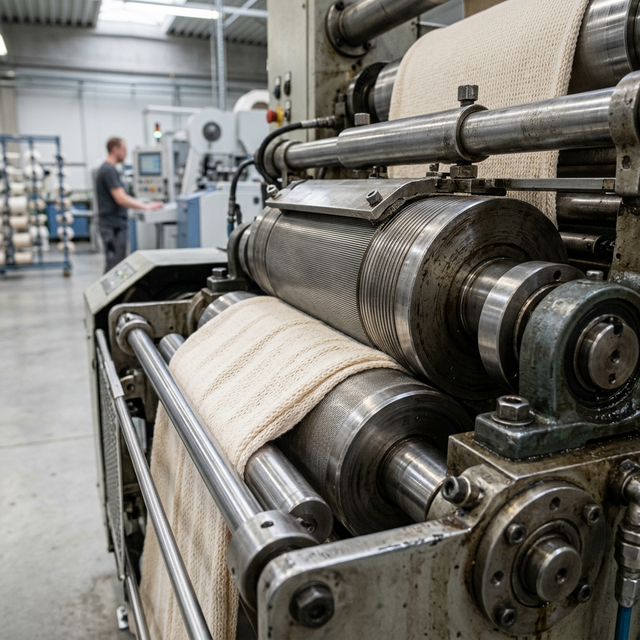
For bulk orders of cotton knit fabric, we put the material through a rigorous, multi-stage pre-shrunk treatment (compactor processing) long before it's rolled for shipping.
- Tensionless Dyeing: The dyeing process can't stretch the fabric. We use tensionless overflow dyeing machines so the cotton loops can relax while they absorb the color.
- Overfeeding during Stentering: During drying and heat-setting, we deliberately overfeed the fabric into the machine. This lets the yarns contract under controlled heat. We want the fabric to shrink in our factory, not in your customer's washing machine.
- Compacting: This is the final step. The fabric passes through a compactor that mechanically forces the knit loops closer together.
With this protocol, we force the industry-standard 8-10% shrinkage rate down to under 5%.
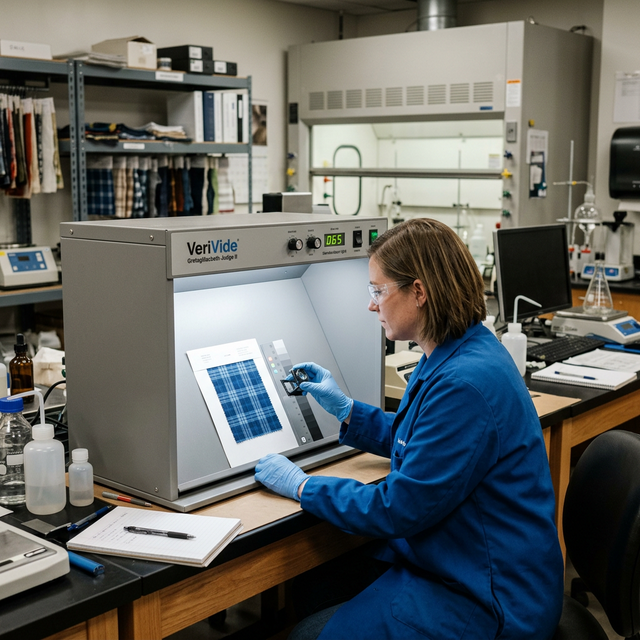
And getting the size right is only half the battle; the dye lots have to match. Our lab maintains a Colorfastness rating of Level 4 or higher. When you order 50,000 yards over six months, you need to know that Batch A will perfectly match Batch F.
Shawn Wang, our founder, is strict about this: "The first to commit gets the first pick. But regardless of when you order, the standard remains identical. Quality isn't a cost; it is an investment in preventing catastrophic failure."
Nailing the Right GSM
Gram per Square Meter (GSM) is everything when it comes to jersey knit fabric. According to Cotton Incorporated's fabric weight guidelines, a 20-gram difference changes how the shirt drapes, how long it lasts, and how much your customer thinks it's worth. Buying without specifying the exact GSM you need is a common, expensive mistake.
130-150 GSM: The Lightweight Option
This weight is sheer and breathable, making it the right call for summer undergarments, baby clothing, and lightweight layering. But your sewing team needs to handle it carefully to prevent puckering. If your design calls for a structured, sturdy fit, this GSM will absolutely fail.
160-190 GSM: The Standard
This is the workhorse of the apparel industry. The 160-190 GSM range is opaque enough to prevent transparency while staying soft and comfortable. It's the sweet spot for premium basic t-shirts, loungewear, and promotional apparel. If you're launching a standard casual wear line, start here.
200+ GSM: The Heavyweight
Streetwear brands and oversized collections need that 200+ GSM weight. It gives a structured, boxy drape and feels substantial. It hides body contours and immediately telegraphs "premium quality" to the buyer. Just remember that the yarn consumption is much higher, which will push your sourcing costs up.
⚡ Common Mistakes to Avoid
Everything You Need to Know
Conclusion