.png?w=970&h=250)
Hello everyone, it's Stephen again.
When we hear the word "spandex," we often think of sportswear, swimsuits, or comfortable yoga pants. And that is true! But did you know spandex is also a secret ingredient in many high-fashion and luxury clothes? It is!
Spandex is one of the most important inventions in modern fabric. Today, I want to share everything a designer needs to know about this amazing "super fiber." We will go beyond the basics and show you how it is used even in the world of couture.

First, What Exactly is Spandex?
Spandex is a man-made fiber known for its incredible ability to stretch. Think of it like a rubber band, but much stronger, lighter, and more durable. A fabric only needs a small amount of spandex blended with other fibers (like cotton or polyester) to get amazing stretch and recovery.
A Quick History of Spandex
Here is a cool fact for you. Spandex was invented in 1959 by a scientist named Joseph Shivers who worked for the company DuPont. He was trying to find a better, more durable replacement for rubber in clothing. His invention completely changed fashion forever.
Main Characteristics of Spandex
Spandex has several "superpowers" that are important for designers.
-
Incredible Stretchiness: It can stretch up to 500% of its size and then perfectly return to its original shape.
-
For you, the designer, this means your clothes will give a perfect, comfortable, and flattering fit to your customers.
-
-
Strong and Durable: It is much stronger and lasts longer than rubber. It is not damaged by sweat, body oils, or most lotions.
-
For you, the designer, this means your beautiful clothes will last a long time and keep their shape.
-
-
Lightweight and Smooth: It is very light and can be made into very fine threads, so it doesn't add weight or bulk to the fabric.
-
For you, the designer, this means you can create sleek, close-fitting designs without heavy materials.
-
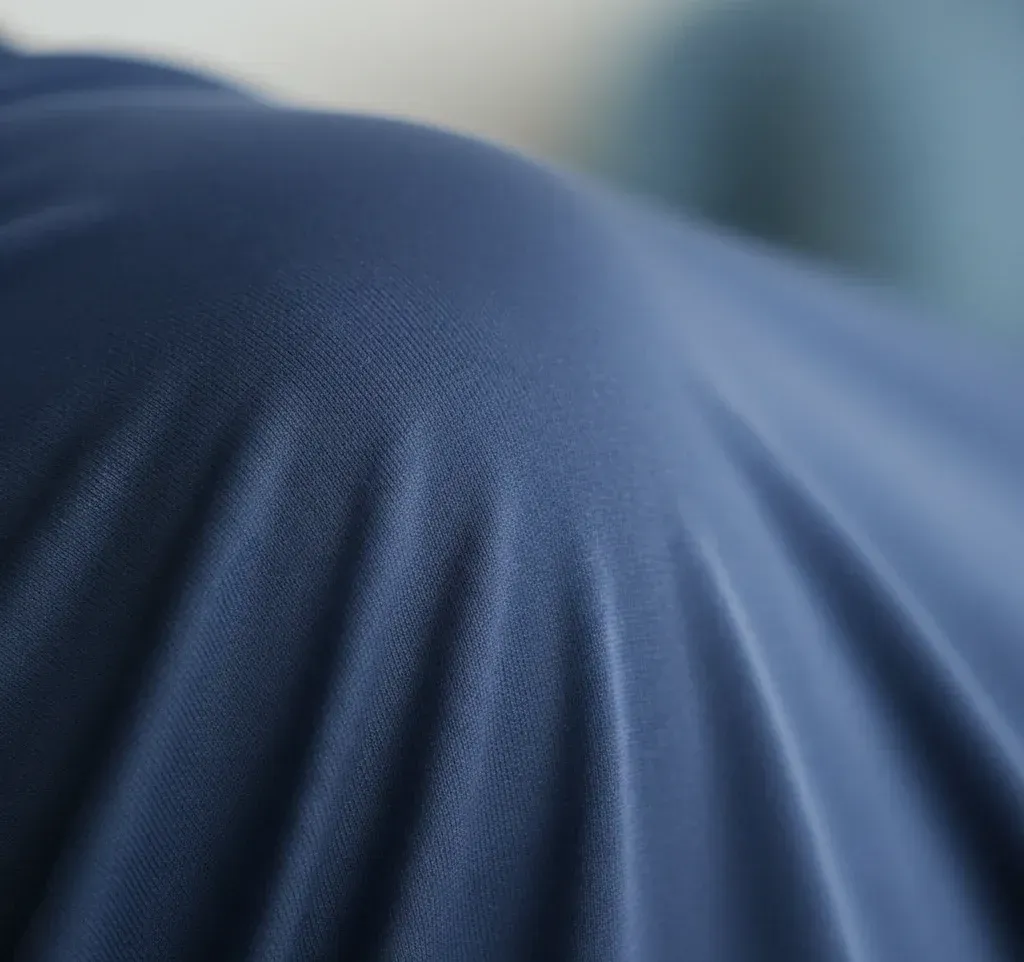
Spandex in High Fashion: More Than Just Yoga Pants
This is where spandex gets really exciting for us. While it is the star of activewear, it is also the secret hero in high fashion. Why? Because designers want their clothes to fit perfectly and feel comfortable.
You will find spandex blended into:
-
Beautiful evening gowns that fit the body perfectly, without uncomfortable boning.
-
Luxury knit sweaters that stretch but never lose their shape.
-
High-end trousers that are comfortable for all-day wear.
-
Any design that needs a clean, sculpted, body-hugging silhouette.
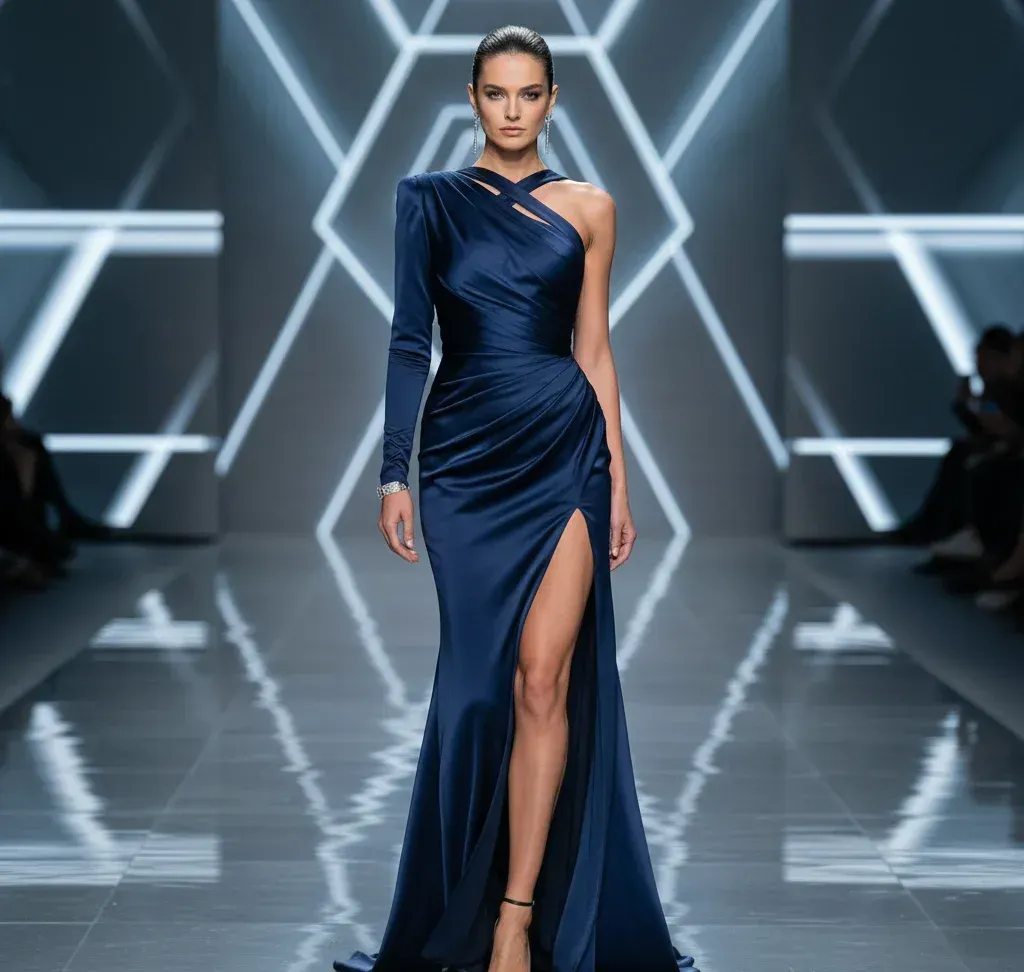
A Designer's Guide: 2-Way vs. 4-Way Stretch Explained
This is a very important technical detail for designers.
-
2-Way Stretch: This fabric stretches in one direction, usually from side to side (crosswise). It does not stretch up and down (lengthwise).
-
4-Way Stretch: This fabric stretches in both directions – crosswise AND lengthwise. It offers the most freedom of movement.
When to use them:
-
Use 2-Way Stretch for designs that need some comfort stretch but also some stability, like in the side panels of a dress or in some trousers.
-
Use 4-Way Stretch for designs that need to fit like a second skin and allow total movement, like bodysuits, swimwear, or any tight-fitting garment.
Choosing the Right Blend: A Pro-Tip from Stephen
Spandex is almost never used alone. Its magic is in the blend. Let me share some common ones we work with:
-
Cotton/Spandex: This blend is breathable from the cotton and comfortable from the spandex. It is perfect for high-end t-shirts, comfortable dresses, and premium denim.
-
Nylon/Spandex: This blend is very strong, smooth, and quick-drying. This is the classic combination for swimwear and high-performance activewear.
-
Rayon/Spandex: This blend is known for its incredibly soft feel and beautiful drape. It is perfect for making soft, flowing knit dresses and tops that are very comfortable to wear.
-
Polyester/Spandex: This blend holds color and prints very well and is very durable. It is often used for printed leggings and colorful sportswear.
How to Care for Spandex Fabrics
It is important to care for stretch fabrics correctly. Here are some simple rules:
-
Wash in cold or lukewarm water. Hot water can damage the fibers.
-
Do not use chlorine bleach. It will destroy the spandex.
-
Hang to dry or tumble dry on low heat. High heat is the enemy of spandex.
-
Do not iron on high heat. If you must iron, use a low setting.
A Designer's Note: Always include clear care instructions on the labels of your garments. Your customers will thank you!
Spandex vs. Elastane vs. Lycra: What’s the Difference?
This question is very common! The answer is simple:
-
Spandex is the general name for the fiber, used mainly in North America.
-
Elastane is the general name for the same fiber, used mainly in Europe and the rest of the world.
-
LYCRA® is just a brand name for spandex, owned by The Lycra Company.
So, Spandex = Elastane. LYCRA® is just one famous brand of spandex. They are all the same thing!
Looking for the Perfect Stretch Blend for Your Collection?
I know this is a lot of information! Finding the right balance of comfort, stretch, luxury, and feel can be a challenge. Sometimes you need a very specific blend for your unique design.
My team and I are experts in fabric. We are here to help you select or even develop the perfect stretch fabric for your specific needs. Let's talk about your project.
Thank you for reading and learning with me.
Stephen
