.png?w=970&h=250)
Fominte's Fleece Product Range: Every Fleece Type We Make and Who It's For
What It Really Means
The Six Fleece Types We Produce
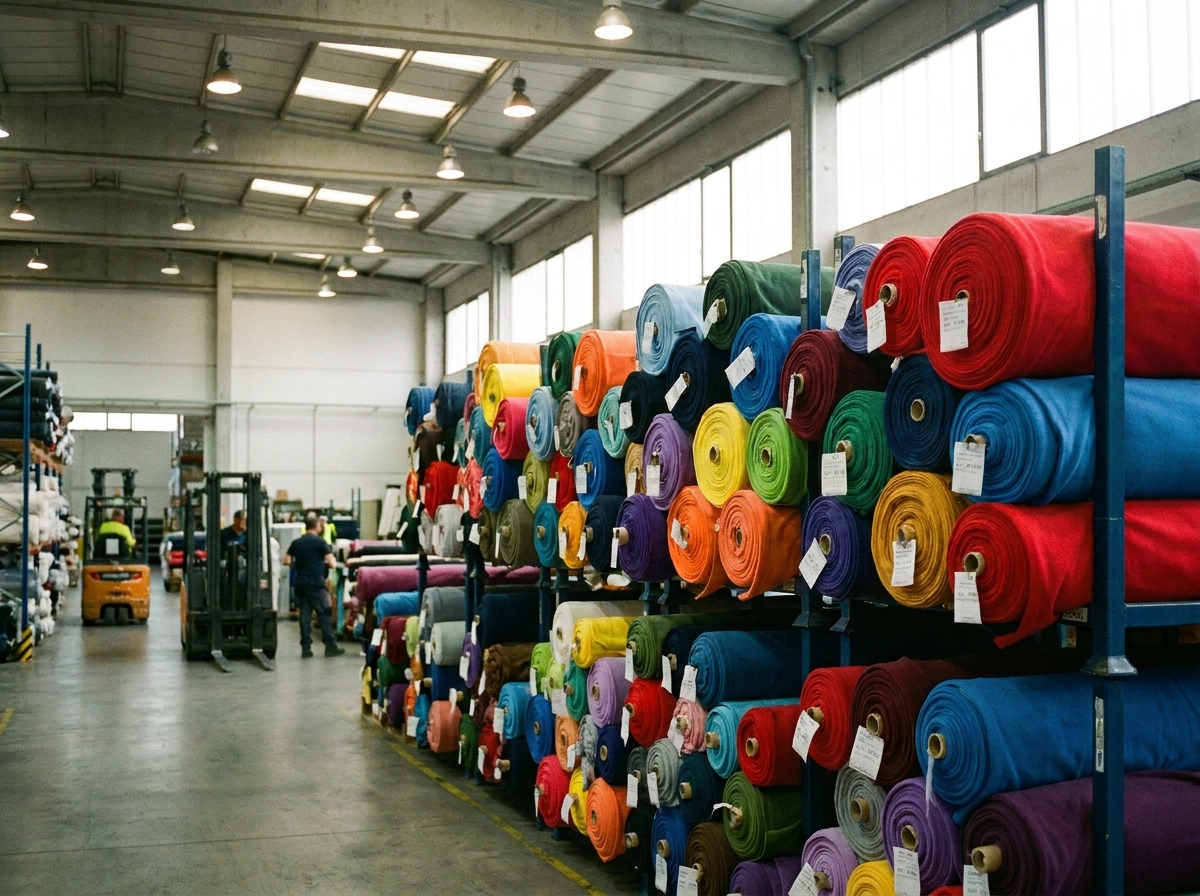
We make six distinct fleece categories at Fominte (alongside our embroidery fabric and garment lines). Each one serves different product lines, different markets, and different price points. If you're sourcing fleece for the first time — or if you've been buying the same type for years and want to understand what else is available — this is where to start.
Here's the overview:
| Fleece Type | GSM Range | Composition | Primary Applications |
|---|---|---|---|
| Polar Fleece | 200-400 | 100% polyester | Jackets, blankets, outdoor gear |
| Microfleece | 100-200 | 100% polyester | Base layers, linings, activewear |
| Sherpa & Teddy | 280-400 | 100% polyester | Coat linings, outerwear, home textiles |
| Anti-Pill Fleece | 200-300 | Treated polyester | Premium retail apparel |
| Recycled Fleece | 200-350 | GRS-certified recycled polyester | Sustainable product lines |
| Coral & Plush | 280-380 | 100% polyester | Children's wear, home textiles |
Each of these has specific properties that make it right for certain applications and wrong for others.
Polar Fleece — The Workhorse (200-400 GSM)
Polar fleece is what most people picture when they hear "fleece." It's the mid-weight to heavyweight polyester fabric with a soft, napped surface on both sides. It's versatile and cost-effective. No other fleece type covers as many product categories.
At Fominte, we produce polar fleece from 200 GSM up to 400 GSM. The lower end (200-250 GSM) works well for lightweight jackets and layering pieces. The mid-range (260-320 GSM) is the sweet spot for standard fleece jackets and vests. The heavyweight end (330-400 GSM) goes into outerwear, blankets, and products where warmth per layer matters most.
What buyers often miss: GSM doesn't just affect warmth. It affects cutting efficiency, shipping weight, and per-unit cost. A 400 GSM fleece jacket uses nearly twice the fabric weight of a 200 GSM version — which means higher material cost, higher freight cost, and different needle and thread requirements during sewing. We've had buyers request 400 GSM for a product that really needed 280 GSM. The extra weight added cost without adding value their customer could feel.
Microfleece — Lightweight Performance (100-200 GSM)
Microfleece is the thin, lightweight end of the fleece family. It's double-sided but with a much finer, shorter pile than polar fleece. The result is a soft, breathable fabric that wicks moisture well.
We produce microfleece from 100 to 200 GSM. At the lightest end, it's used as a base layer for outdoor and athletic wear — the kind of fabric that sits next to skin and pulls moisture away. In the 150-200 GSM range, it works for lightweight zip-ups, children's sleepwear, and linings for jackets and vests.
The GSM breakpoint: Anything above 200 GSM starts to lose the characteristics that make microfleece useful. It becomes too warm for a base layer and too thin for outerwear. If you're looking at 220+ GSM, you're probably better off with a standard polar fleece instead. We tell buyers this upfront because choosing the wrong type costs more in returns than it saves in unit price.
Sherpa & Teddy — Texture and Warmth (280-400 GSM)
Sherpa and teddy fleece are the textured types. Sherpa mimics the look of sheep's wool with a deep, curly pile on one side and a smooth knit on the other. Teddy fleece is similar but with a denser, more uniform texture. Both are 100% polyester and both are heavyweight — typically 280 to 400 GSM.
The primary application is jacket linings. A sherpa-lined jacket gives the appearance and warmth of a wool lining without the cost, weight, or care complexity of real wool. We also produce sherpa and teddy for standalone outerwear — coats, oversized hoodies, and home textiles like blankets and throws.
What buyers should know about shedding: Sherpa and teddy fleece are more prone to fiber shedding than smooth-face fleece types. This is a function of the pile construction, not a quality defect. We control shedding through fiber selection and finishing processes, but if your end product needs to pass strict lint-free requirements (say, for layering under dark outer shells), we'll discuss the trade-offs before you commit to sampling.
Anti-Pill Fleece — Premium Surface Retention (200-300 GSM)
Anti-pill fleece is treated during manufacturing to resist the formation of small fiber balls (pills) on the fabric surface. Standard fleece will pill over time, especially in high-friction areas like underarms and where seatbelts cross the chest. Anti-pill treatment significantly extends the surface life of the garment.
We produce anti-pill fleece from 200 to 300 GSM. It's the same base fabric as our standard polar fleece — same polyester, same knitting structure — but with additional finishing that locks the surface fibers in place. The cost is roughly 10-15% higher than standard polar fleece at the same GSM, but for products positioned as premium or for markets where surface appearance matters (retail, corporate fleece, branded merchandise), it's worth the investment.
The testing standard: We test anti-pill performance using the Martindale method (ISO 12945-2). Our anti-pill fleece consistently achieves Grade 3.5 or better on the 1-5 scale after standard testing cycles. For buyers who need specific test reports for their quality documentation, we provide these with sampling.
Recycled Fleece — GRS-Certified Sustainable Option (200-350 GSM)
Recycled fleece is made from post-consumer recycled (PCR) polyester, typically sourced from PET bottles. The GSM range and physical performance are comparable to virgin polyester fleece — the difference is in the raw material source and the certification chain.
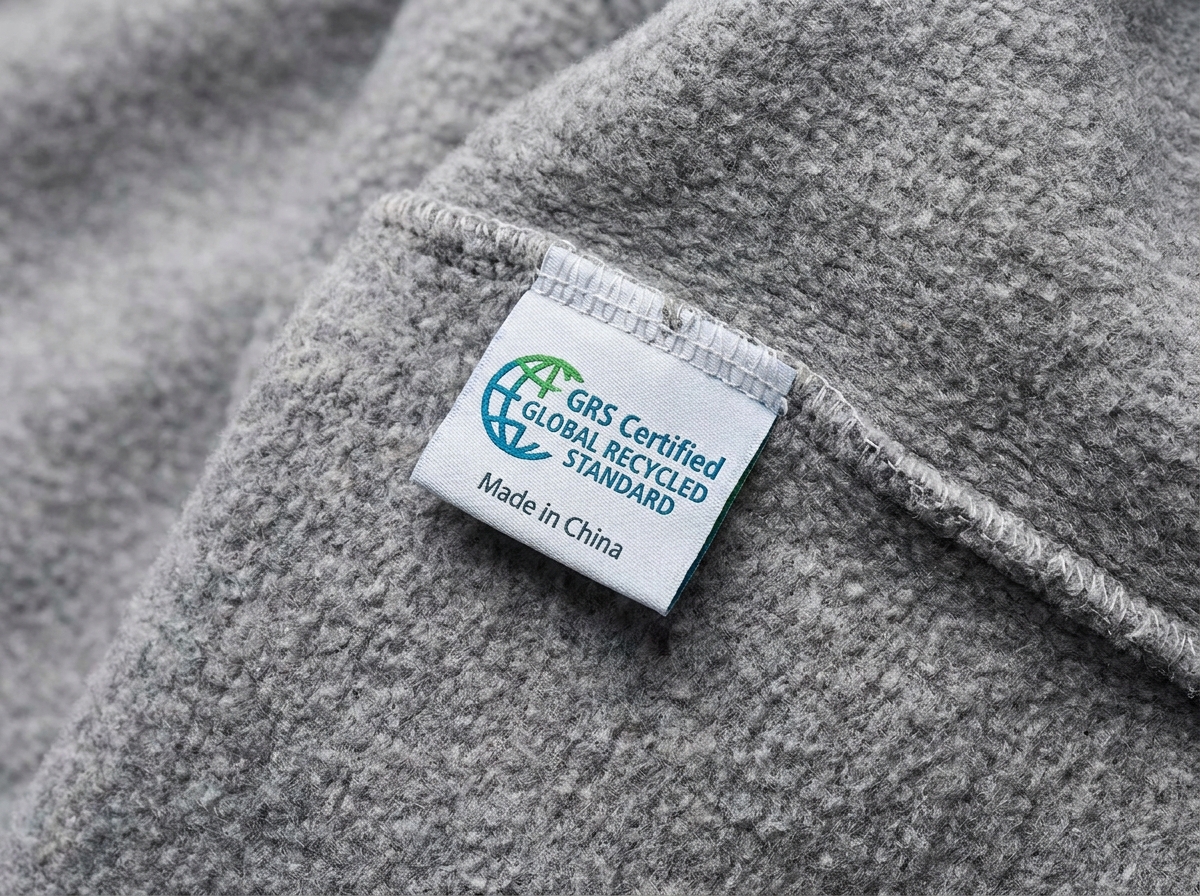
Our recycled fleece carries GRS (Global Recycled Standard) certification. This means the recycled content is verified through the entire supply chain, from the recycled polyester fiber supplier through our knitting and finishing processes. We provide chain-of-custody documentation with every recycled fleece order, which is increasingly required by EU and North American retailers.
Performance trade-offs: Recycled polyester fleece performs nearly identically to virgin polyester in warmth, durability, and colorfastness. The one area where we see a slight difference is in the whitest shades — recycled polyester can have a very faint yellow tint that requires additional bleaching to achieve a bright white. For dyed colors (which is 90%+ of what we produce), there's no visible difference. If your brand is positioning around sustainability, recycled fleece lets you make a claim backed by actual certification with chain-of-custody documentation.
Coral & Plush — Soft Touch for Children's and Home (280-380 GSM)
Coral fleece and plush fleece have the deepest, softest pile of any type we produce. The surface feels almost like velvet or mink — dense, smooth, and exceptionally soft to the touch. These are the premium hand-feel fleece types.
We produce coral and plush fleece from 280 to 380 GSM. The primary markets are children's wear (blankets, robes, stuffed animal covers) and home textiles (throws, cushion covers, bedding). The deep pile construction makes these fabrics heavier per square meter than their GSM suggests — a 300 GSM coral fleece feels thicker and warmer than a 300 GSM polar fleece because the pile traps more air.
Compliance note: Children's products made with coral and plush fleece need to meet specific safety standards depending on the destination market. For the US, that's CPSIA. For the EU, it's EN 14682 (cord and drawstring regulations) and REACH chemical compliance. We produce to these standards when the buyer specifies the market, but it's worth confirming compliance requirements before sampling starts.
How to Match Fleece Type to Your Product Category
Weight and softness matter, but the real question is how the end customer will use the product. Here's how we guide buyers through this decision.
Outerwear and Jackets
For standard fleece jackets, polar fleece in the 260-320 GSM range is the default choice. It balances warmth, weight, and cost. For premium positioning, anti-pill fleece in the same GSM range gives better surface longevity. For lined jackets, sherpa or teddy at 280-360 GSM provides the visual warmth and texture that sells at retail.
What we see in production: The most common mistake is over-specifying GSM for outerwear. A 380 GSM fleece jacket is warm, but it's also heavy, bulky, and expensive to ship. For most markets, a well-constructed 280 GSM jacket with the right lining performs better commercially than a 380 GSM shell.
Activewear and Base Layers
Microfleece at 100-180 GSM is the right choice for base layers and active mid-layers. The key properties are moisture wicking, breathability, and low weight. Standard polar fleece is too warm and too heavy for this application — it traps heat and moisture rather than moving it away from the body.
Loungewear and Home Textiles
For blankets, throws, and loungewear, the choice depends on the hand-feel you want. Polar fleece at 260-320 GSM gives a familiar, cozy feel. Coral and plush at 300-380 GSM gives a premium, luxurious touch. Sherpa at 300-400 GSM gives the textured, wool-like appearance that photographs well for e-commerce.
Children's Wear
Children's products need softness, safety, and easy care. Microfleece at 150-200 GSM works for lightweight children's layers. Coral and plush at 280-340 GSM works for blankets and robes. The critical factor is compliance — confirm the destination market's safety standards before you choose the fabric, because testing requirements can affect which finishing processes we use.
Workwear and Uniforms
Corporate fleece and workwear need durability and consistent appearance over repeated washing. Anti-pill fleece at 240-300 GSM is the standard choice. The anti-pill treatment prevents the surface from looking worn after industrial laundering cycles. For high-visibility workwear, we can produce in certified hi-vis colors, but this requires specific dye formulations that add to lead time.
What GSM Means for Your Order (And Why It Matters More Than You Think)
GSM — grams per square meter — is the single most important specification when ordering fleece. It determines warmth, hand-feel, cost, and even how efficiently the fabric cuts during production.
GSM and Warmth: The Real Relationship
Higher GSM means more material per square meter, which means more trapped air, which means more warmth. But the relationship isn't linear. A 400 GSM fleece isn't twice as warm as a 200 GSM fleece — it's maybe 40-50% warmer, depending on the pile construction. Beyond 350 GSM, you hit diminishing returns where the added weight and cost don't proportionally increase warmth. If a buyer needs maximum warmth, layering two lighter fleece pieces often outperforms a single heavy one.
GSM and Cost: How Weight Affects Your Price
Fleece fabric is priced by weight, not by area. A 300 GSM fleece costs roughly 50% more than a 200 GSM fleece of the same type, because you're using 50% more raw material per square meter. This relationship is direct and predictable — which is why getting the GSM right matters so much for your margin. We've seen buyers save 15-20% on material cost simply by moving from an unnecessarily heavy specification to one that actually matches their product's performance needs.
GSM and Cutting Efficiency: Why It Matters for Bulk Orders
Heavier fleece is thicker, which means fewer layers can be stacked on the cutting table at once. A 200 GSM microfleece can be cut in stacks of 40-60 layers. A 400 GSM polar fleece might only allow 20-30 layers per stack. This directly affects cutting room throughput — which, in a 10,000-piece order, can add days to your production timeline. It also affects marker efficiency (how much fabric is used vs. wasted in the cutting layout), because heavier fabrics have more pronounced grain direction that limits how pieces can be arranged.
Beyond Standard Polyester: Recycled and Specialty Options
The fleece market is shifting. Three years ago, recycled fleece was maybe 5% of our fleece production. Today it's closer to 20%, and the trend is accelerating — driven by EU regulatory pressure, retailer sustainability commitments, and end-consumer demand.
Recycled Polyester Fleece: What GRS Certification Actually Covers
GRS (Global Recycled Standard) certification verifies that the recycled content in your fleece is genuinely recycled, through the entire supply chain. It covers the recycled polyester fiber producer, the knitting mill (that's us), and the final product. Every step has chain-of-custody documentation. When you see "GRS-certified recycled fleece" on a product label, it means someone audited every link in that chain.
What it doesn't cover: GRS doesn't certify the environmental performance of the recycling process itself, or the working conditions at the fiber producer (that's a separate certification, like BSCI or SA8000). It specifically verifies recycled content claims. For buyers who need both recycled content verification and social compliance auditing, we recommend combining GRS with an Amfori BSCI audit of our facility.
Performance Trade-offs: Recycled vs. Virgin Polyester
In our production experience, recycled polyester fleece performs within 95% of virgin polyester across all key metrics — warmth, colorfastness, pilling resistance, and tensile strength. The only measurable difference is in the whitest shades, where recycled polyester can show a faint yellow cast that requires additional processing. For all dyed colors, there's no practical difference.
Market Demand: Why More Buyers Are Asking for Recycled Fleece
The demand signal is coming from multiple directions. EU retailers are under increasing pressure to demonstrate sustainable sourcing. North American outdoor brands use recycled content as a marketing differentiator. And end consumers — particularly in the 25-45 demographic — are willing to pay a 10-20% premium for products with verified recycled content. If your brand is selling into any of these markets, recycled fleece makes commercial sense too.
What We Don't Make (And Why That Matters)
We produce polyester fleece. We don't produce wool fleece, cotton fleece, bamboo fleece, or blended fleece with significant natural fiber content.
This is a deliberate choice. Polyester fleece is what we know best, and it's what the vast majority of the B2B fleece market actually needs. Natural fiber fleece (like merino wool fleece) is a niche product with very different sourcing, production, and care requirements. Bamboo fleece is mostly a marketing term — the "bamboo" part refers to bamboo-derived viscose, which after processing is chemically identical to any other viscose fiber.
By focusing on polyester fleece, we've optimized our entire operation — from fiber sourcing to knitting to finishing to quality control — for one material family. Our production floor is set up specifically for this. That means more consistent quality and more competitive pricing than a generalist factory trying to cover every material.
FAQ
What's the difference between polar fleece and microfleece?
Polar fleece (200-400 GSM) is thicker, warmer, and used for outerwear. Microfleece (100-200 GSM) is thin, lightweight, and used as a base layer or lining. The GSM number tells you 80% of what you need to know — if you're above 200, you're in polar fleece territory. Below that, you're in microfleece territory.
Can you make custom GSM weights?
Yes. Our standard ranges cover most buyer needs, but we can produce custom GSM within our knitting capabilities. Custom GSM may require minimum order quantities and slightly longer lead times for setup. Contact us with your spec sheet for a feasibility check.
What certifications do your fleece products carry?
Our fleece products can be produced with OEKO-TEX Standard 100 certification. Recycled fleece options carry GRS (Global Recycled Standard) certification with full chain-of-custody documentation. We also hold Amfori BSCI and Higg Index certifications at the facility level.
What's your MOQ for fleece products?
MOQ depends on the fleece type and customization level. Standard products in stock colors start at 500 pieces. Custom colors, custom GSM, or specialty finishes require higher minimums. For a detailed breakdown of our ordering terms, see our MOQ and lead time guide, or contact info@fominte.com for a quote based on your specific requirements.
How do I know which fleece type is right for my product?
Send us your product brief — what the product is, who will wear it, what market it's going into, and any performance requirements. We'll recommend the fleece type that matches and explain why. Our goal is to get it right before sampling, not after.
When to Use & Avoid
Outerwear Jackets
✅ Use When
- Polar fleece 260-320 GSM or anti-pill fleece
- Sherpa/teddy 280-360 GSM for lining
⚠️ Avoid When
- Over-specifying GSM above 380 for standard jackets
Activewear Base Layers
✅ Use When
- Microfleece 100-180 GSM
⚠️ Avoid When
- Standard polar fleece (too warm/heavy)
Loungewear Home Textiles
✅ Use When
- Polar 260-320 GSM for cozy feel
- Coral/plush 300-380 GSM for premium touch
Childrens Wear
✅ Use When
- Microfleece 150-200 GSM for layers
- Coral/plush 280-340 GSM for blankets
⚠️ Avoid When
- Skipping compliance checks before sampling
Workwear Uniforms
✅ Use When
- Anti-pill fleece 240-300 GSM
⚠️ Avoid When
- Standard fleece without anti-pill treatment
Comparison
| Fleece Type | GSM Range | Composition | Primary Applications |
| Polar Fleece | 200-400 | 100% polyester | Jackets, blankets, outdoor gear |
| Microfleece | 100-200 | 100% polyester | Base layers, linings, activewear |
| Sherpa & Teddy | 280-400 | 100% polyester | Coat linings, outerwear, home textiles |
| Anti-Pill Fleece | 200-300 | Treated polyester | Premium retail apparel |
| Recycled Fleece | 200-350 | GRS-certified recycled polyester | Sustainable product lines |
| Coral & Plush | 280-380 | 100% polyester | Children's wear, home textiles |
⚡ Common Mistakes to Avoid
Everything You Need to Know
Conclusion