.png?w=970&h=250)
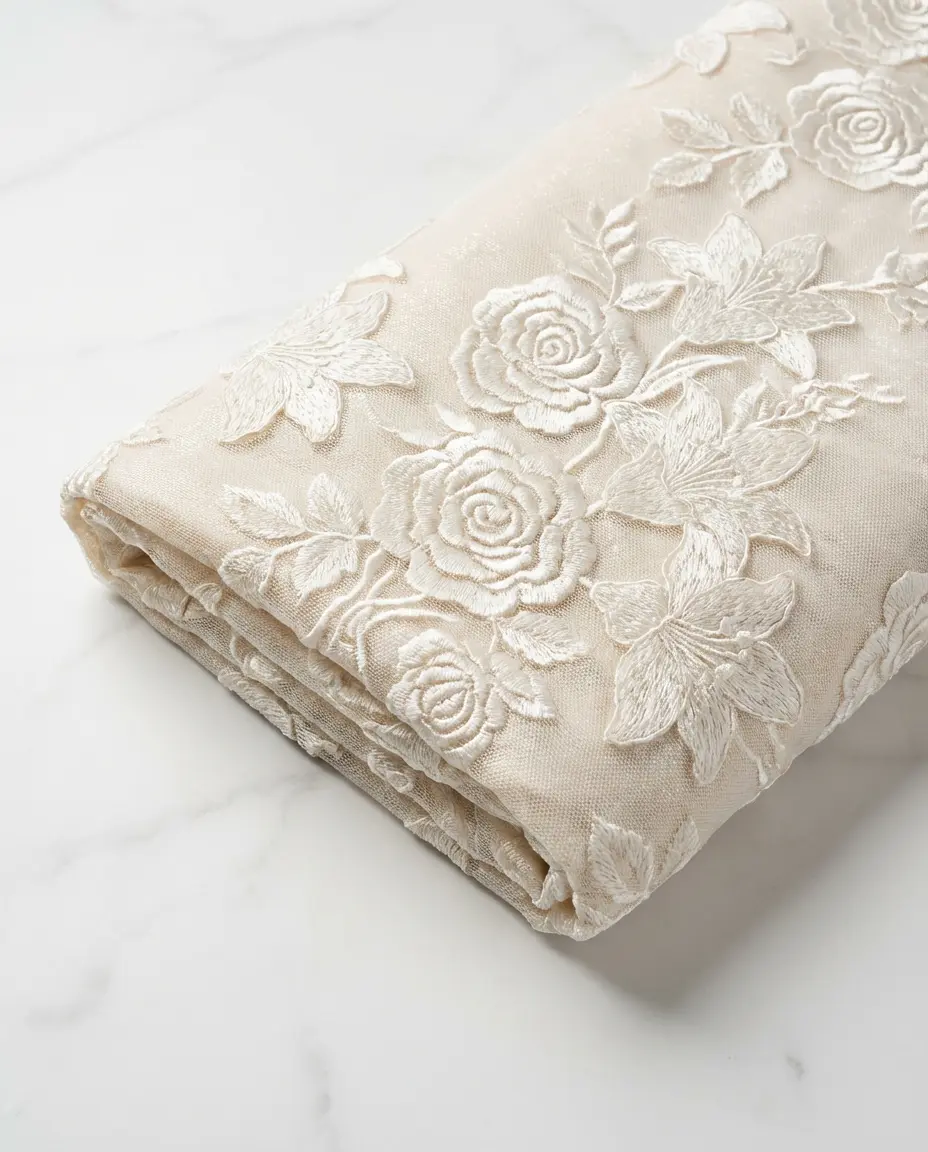
Last March, a bridal boutique in Brooklyn contacted us with a familiar urgency: "We need white mesh embroidery for wedding season. Can you ship in 10 days?"
We made it happen. Rush production, expedited shipping, the whole drill. But afterward, I asked the owner a question I've asked dozens of times: "Why does this keep happening every year?"
Her answer was honest: "I know I should plan ahead, but I never know when to start. Spring feels so far away in January."
I hear this constantly. Not just from bridal shops, but from any retailer selling into spring occasions. Weddings, Mother's Day, graduation. The disconnect is always the same: retail timelines don't match wholesale windows. By the time spring "feels close," the wholesale ordering period has already closed.
So Eric and I built a tool. Not a sales pitch. An actual planning calculator we use when advising wholesale clients. It's an interactive online tool that answers one question: "When should I order, and what should I order?"
This article walks you through that tool. At the end, you can use it yourself to calculate your optimal ordering window.
The Planning Calculator: How It Works
It's built backward from actual retail moments and forward from Faire wholesale search data.
The tool includes:
- Order Window Calculator — Input your in-store date, get your order deadline
- Market Demand Timeline — Visual representation of Faire search data across 6 months
- Product Recommendations — Which fabrics work for which occasions
You select your occasion and target date. The calculator shows your order deadline based on lead times. That's it.
The Interactive Timeline
Spring 2026 Fabric Planning Calendar
| Retail Moment | Order Window | Fabric Type | Lead Time | Peak Demand (Faire) |
|---|---|---|---|---|
| Spring Weddings (Mar-May) | Dec-Feb | Mesh Embroidery, Crochet Lace | 4-6 weeks | February |
| Mother's Day Dresses (May) | Jan-Mar | Crochet Lace, Fashion Embroidery | 4-6 weeks | March-April |
| Graduation Season (May-Jun) | Feb-Apr | Fashion Embroidery | 3-5 weeks | April |
Stop at the first row. Spring weddings run March through May. Most retailers think "I'll order fabric in February for April weddings." That's cutting it close. You need to be ordering in December through February for production and shipping.
But look at the overlap.
Spring wedding fabric (mesh embroidery, crochet lace) and Mother's Day dress fabric (crochet lace, fashion embroidery) are nearly identical. The order windows overlap. December through February covers both occasions.
Faire calls this "bundling opportunity." You're not placing two separate orders two months apart. You're placing one strategic order that serves two retail moments.
Eric calls this the "hidden efficiency" most small retailers miss. They think of spring and Mother's Day as separate inventory buys. From a fabric procurement standpoint, they're the same order with different colorways.
Product Selection Guide
Fominte Product Recommendations (Customize for Your Suppliers)
| Customer Need | Recommended Fabric | Why It Works |
|---|---|---|
| Bridal gowns | White/Ivory Mesh Embroidery | Structured, holds beading, customizable patterns |
| Mother's Day cocktail dresses | Pastel Crochet Lace | Lightweight, feminine, drapes beautifully |
| Spring formal wear | Fashion Embroidery (floral motifs) | Seasonal aesthetic, versatile across demographics |
| Graduation dresses | Ivory/Champagne Fashion Embroidery | Safe neutrals, work for diverse skin tones |
The online tool shows these Fominte product recommendations, but the framework applies regardless of your supplier.
The key is the reasoning column. It's not just "buy this fabric." It's "here's why this fabric solves this customer need."
I learned this from Shawn. He always says: "Don't just tell buyers what to buy. Teach them how to think about buying." That shift — from product recommendation to decision framework — makes this tool useful beyond one season.
Market Demand Data
We didn't makeUP these timelines. They're backward-engineered from Faire's 2025 wholesale search data.
Spring & Mother's Day Search Volume
- November: 5K searches (planning begins)
- December: 12K searches (acceleration starts)
- January: 25K searches (prime ordering window)
- February: 61K searches (this is restock time, not first orders)
- March-April: Mother's Da layering (43K searches)
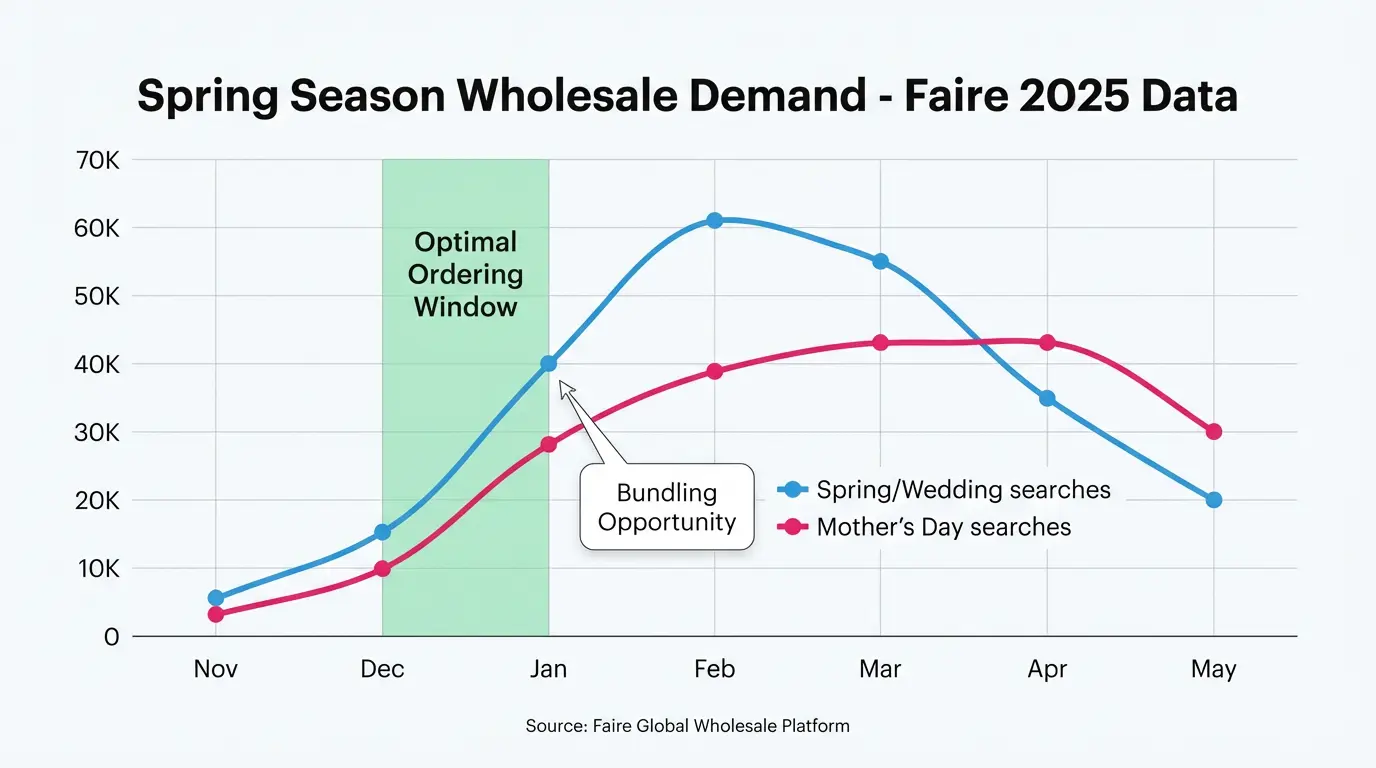
Look at February. 61,000 searches. That's not when you start ordering spring fabric. That's when everyone who waited too long is scrambling.
The smart ordering window? December through January. By February, you're competing with 61,000 other buyers for the same supplier capacity.
This is the same timing leverage from the Valentine's article. Peak search volume doesn't mean "best time to buy." It means "most competitive time to buy."
Understanding the Three Phases
The Brooklyn boutique owner asked me: "Why would I order wedding fabric in January? Weddings don't start until April."
Phase 1: Start Month (November-December)
Demand signals emerge. Faire data shows 5K-12K searches. Early movers lock in:
- Preferred colors (ivory, champagne, specific spring pastels)
- Custom pattern requests (non-standard embroidery)
- Larger order minimums (factories prioritize bigger commitments)
If you need white lace with custom floral embroidery — something that requires tooling setup — you order in November. By January, that production slot is gone.
Phase 2: Acceleration Period (December-February)
Your core ordering window. 12K → 25K searches. Suppliers allocate capacity. Fabric selection is abundant. Pricing is stable.
Eric always says: "If you're ordering wedding fabric in February, you're not early. You're just ahead of the March panic." February is inside the window, but it's the tail end.
Phase 3: Peak Month (February-March)
61K searches. Everyone buying simultaneously. What happens:
- Selection narrows to available inventory
- Custom specs get pushed to "next available slot" (might be too late)
- Rush fees become standard
- You're choosing from what's left
This is restock time. Retailers buying in February already have their spring collections locked in from December. They're just topping off hot sellers.
Product Selection: How to Choose
Retailers know they need "spring wedding fabric" but get stuck on strategy.
Bridal Mesh Embroidery vs. Crochet Lace
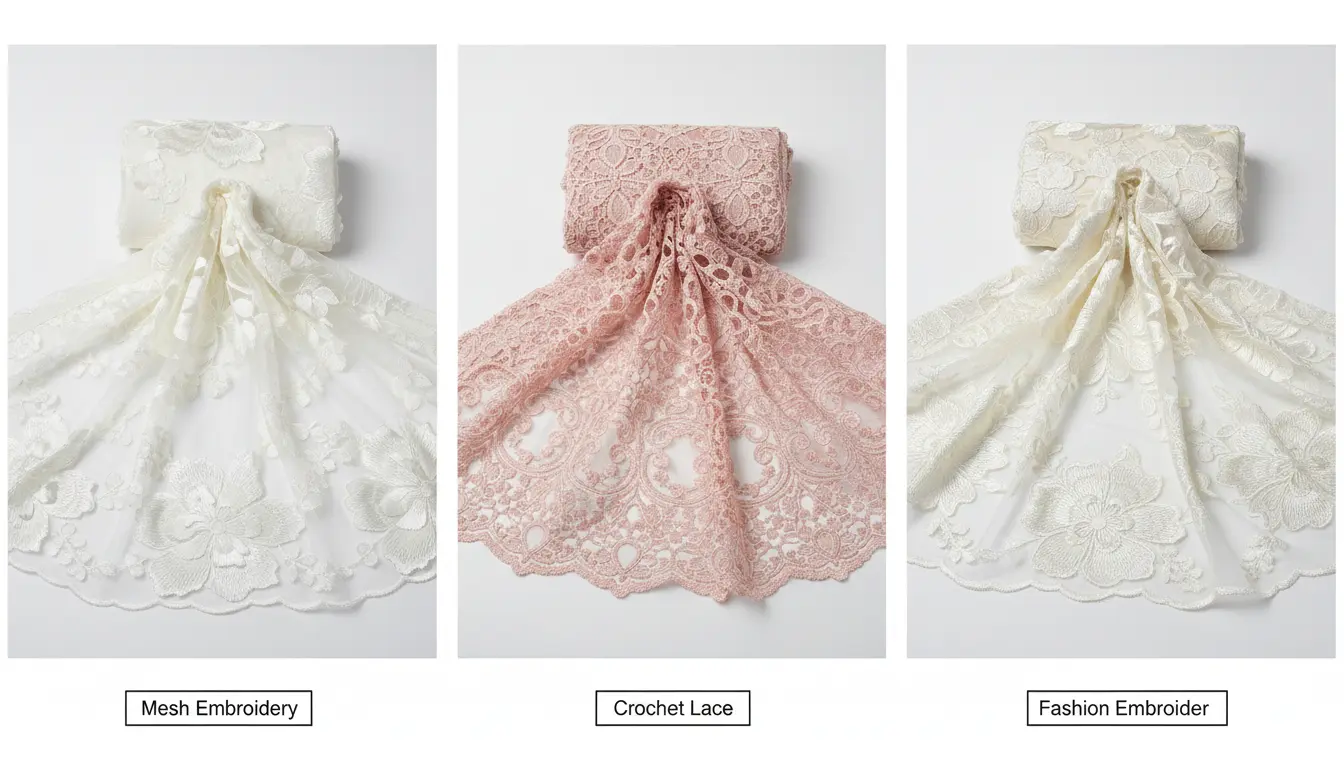
People ask constantly: "What's the difference? They both look like wedding fabric."
Mesh Embroidery:
- Best for: Bridal gowns, structured dresses
- Holds shape, supports beading and appliqué
- Lead time: 5-6 weeks (more complex production)
- Customer profile: Dedicated bridal shops, formal wear retailers
Crochet Lace:
- Best for: Lightweight overlays, romantic cocktail dresses
- Drapes beautifully, feminine aesthetic, breathable
- Lead time: 4-5 weeks
- Customer profile: Contemporary boutiques, Mother's Day collections
If you're bridal-focused, you probably order more mesh embroidery. If you serve an older, Mother's Day demographic, crochet lace is your core. But many shops serve both demographics. Brides and their mothers. That's why one well-planned order in January can cover your entire spring season.
Color Strategy for Spring
This is Shawn's framework. When I first started, I thought "spring colors" just meant pastels. Shawn taught me to think in risk layers.
The Three-Tier Color Hierarchy
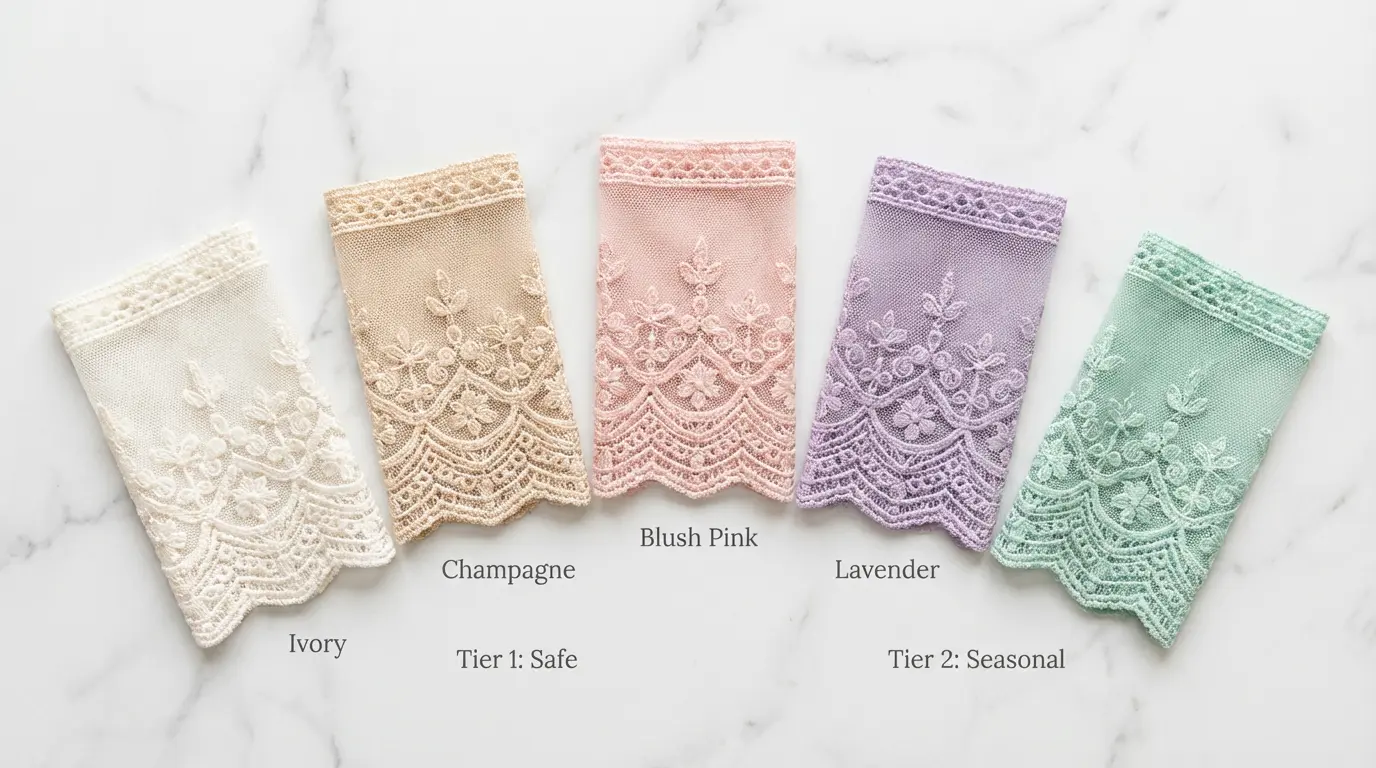
Tier 1: Safe Neutrals (Order First, Order More)
- Ivory, champagne, blush pink
- Sell across weddings, Mother's Day, graduation
- If inventory sits, you can roll it into summer formal wear
- Risk level: Very low
Tier 2: Seasonal Accents (Order Second, Moderate Quantities)
- Lavender, mint green, soft yellow
- Higher fashion risk but higher margin
- Test with smaller quantities
- Risk level: Medium
Tier 3: Trend Colors (Order Sparingly, Only with Confirmed Demand)
- 2026 Pantone trend colors
- Only if you have pre-orders or confirmed customer requests
- Don't speculate on trend colors in wholesale fabric
- Risk level: High
Eric uses this when advising first-time wholesale buyers. He'll ask: "Do you have customers asking for specific colors, or are you guessing?" If they're guessing, he steers them to Tier 1.
The point isn't to avoid risk entirely. It's to layer your order: safe foundation, calculated accents, minimal speculation.
Why This Matrix Exists
I asked Shawn once: "Why don't other suppliers provide planning tools like this?"
His answer: "Most suppliers are order-takers, not partners. They wait for the inquiry. We'd rather help you avoid the inquiry panic in the first place."
That Brooklyn bridal shop? After we fulfilled her emergency March order, I sent her an early version of this planner. The next year she ordered in January. No panic. No rush fees. Just smooth execution.
Her email to me was one sentence: "I finally feel like I'm running my business instead of my business running me."
That's why we made this public. The tool teaches a system, not just one season. Once you understand how to work backward from retail moments and match them to wholesale windows, you can apply it to any product category.
What to Do Right Now
If You're Reading This in Late January 2026
You're still in the acceleration window for spring orders.
Action steps:
- Use the Spring Fabric Planning Calculator →
- Select your retail occasion and in-store date
- The tool calculates your order deadline automatically
- Contact suppliers this week
January is optimal. You're not late. But you're also not early. Move now.
If You're Reading This in February or Later
You're in the peak period. Selection will be narrower, but what's still possible:
- Ready-to-ship inventory: Many suppliers have core colors stocked (ivory, blush, champagne)
- Simplified specs: Standard patterns ship faster than custom
- Relationship building: Even if this season's timeline is tight, establish supplier contact now for next year
The Bundling Insight
If your store serves both younger (bridal) and older (Mother's Day) demographics:
Order your spring wedding lace in January. On the same purchase order, add Mother's Day pastel variations. You'll save on shipping, potentially get batch pricing, and handle two seasons in one procurement cycle.
Eric ran the numbers last year: bundling spring + Mother's Day into one January order saved an average client 18% on total landed cost compared to placing two separate orders in February and March.
That's not a sales pitch. That's procurement efficiency.
Let's Talk
I don't expect you to become a procurement strategist overnight. That's what Eric's team is for.
If you use the calculator and have questions — or if you want us to review your specific timeline — contact
info@fominte.com. The team responds within 24 hours.
Even if we can't fulfill your exact specs, we can point you in the right direction. That Brooklyn shop? She now emails us every December asking: "What should I be thinking about for next season?" And we tell her. That's the relationship we're building.
Use the Planning Calculator
Spring Fabric Planning Calculator 2026 →
The interactive tool includes:
- Instant order deadline calculation based on your in-store date
- Market demand timeline with Faire 2025 data visualization
- Product recommendations for spring occasions
- Smart alerts if you're approaching critical deadlines
No signup required. Free to use.
Coming Next
Next article: The Easter Fabric Paradox — why "pastel season" orders should start in winter.
If the spring planning window surprised you, wait until you see the Easter data. Faire shows an 11x search volume jump from November to January. Most retailers are thinking about Easter in March. By then, the best fabric has been claimed.
Stephen
Head of Brand & Strategy, Fominte
Related Reading: Why Valentine's Orders Placed in January Always Look Better. Understanding the wholesale timing leverage principle that applies to every season.