.png?w=970&h=250)
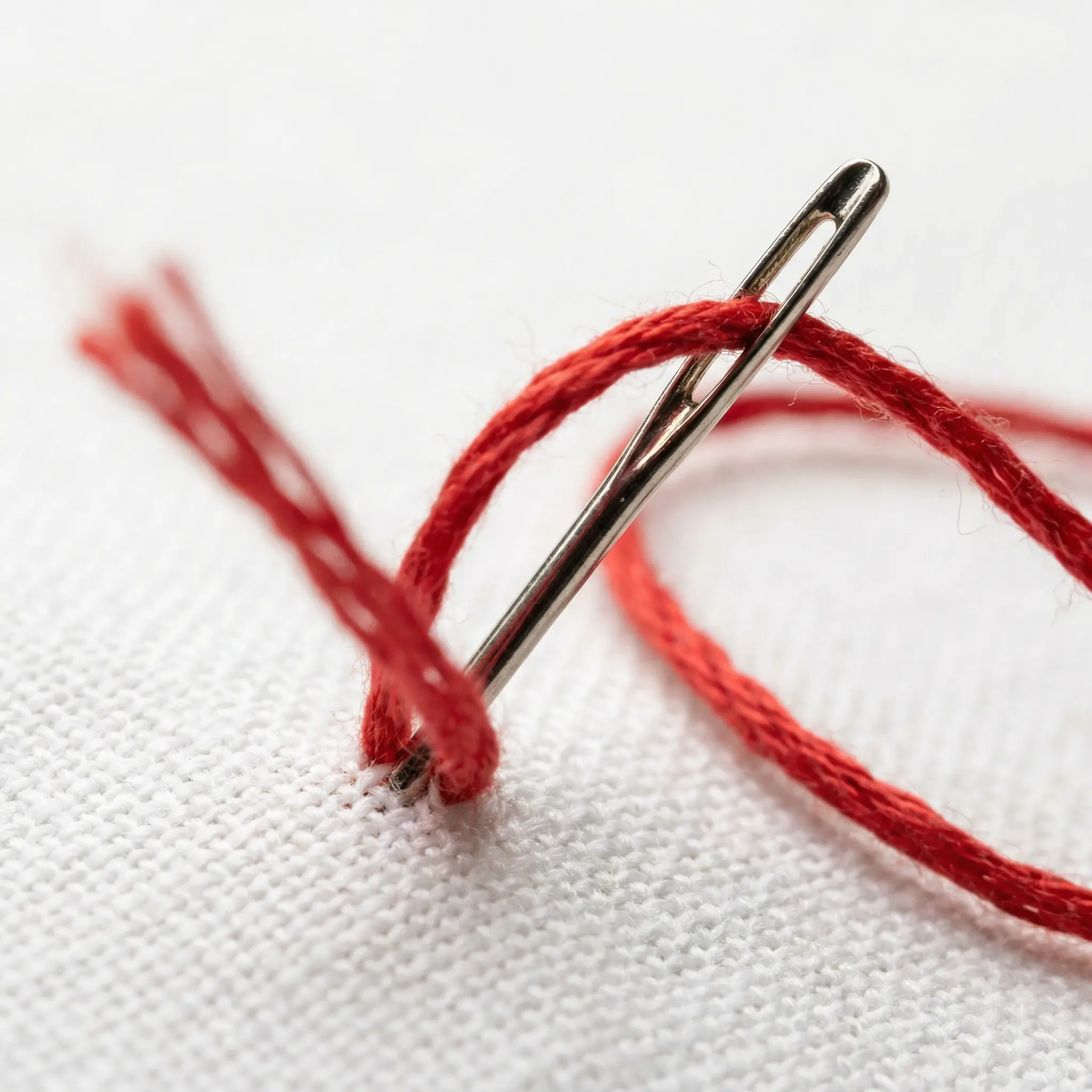
Embroidery is a textile decoration technique that uses stitched thread to create patterns, logos, or designs on fabric. Unlike printing (which sits on top of fabric), embroidery physically penetrates the material, creating a raised, textured effect.
For B2B buyers, the critical point is this: embroidery quality depends on digitizing, not just the machine. The file that controls the needle is where most issues originate.
Why Embroidery Adds Value
Compared to screen printing or heat transfer, embroidery offers:
• Durability: Stitches last longer than ink, especially through repeated washing.
• Perceived Premium: The 3D texture signals higher-end craftsmanship.
• Versatility: Works on thick materials (fleece, canvas, leather) where printing fails.
The trade-off: Higher cost per unit and longer production time.
3 Main Types of Industrial Embroidery
1. Flat Embroidery
The standard method for logos on polos, caps, and jackets. Thread lies flush against the fabric.
Best for: Corporate wear, workwear, promotional items.
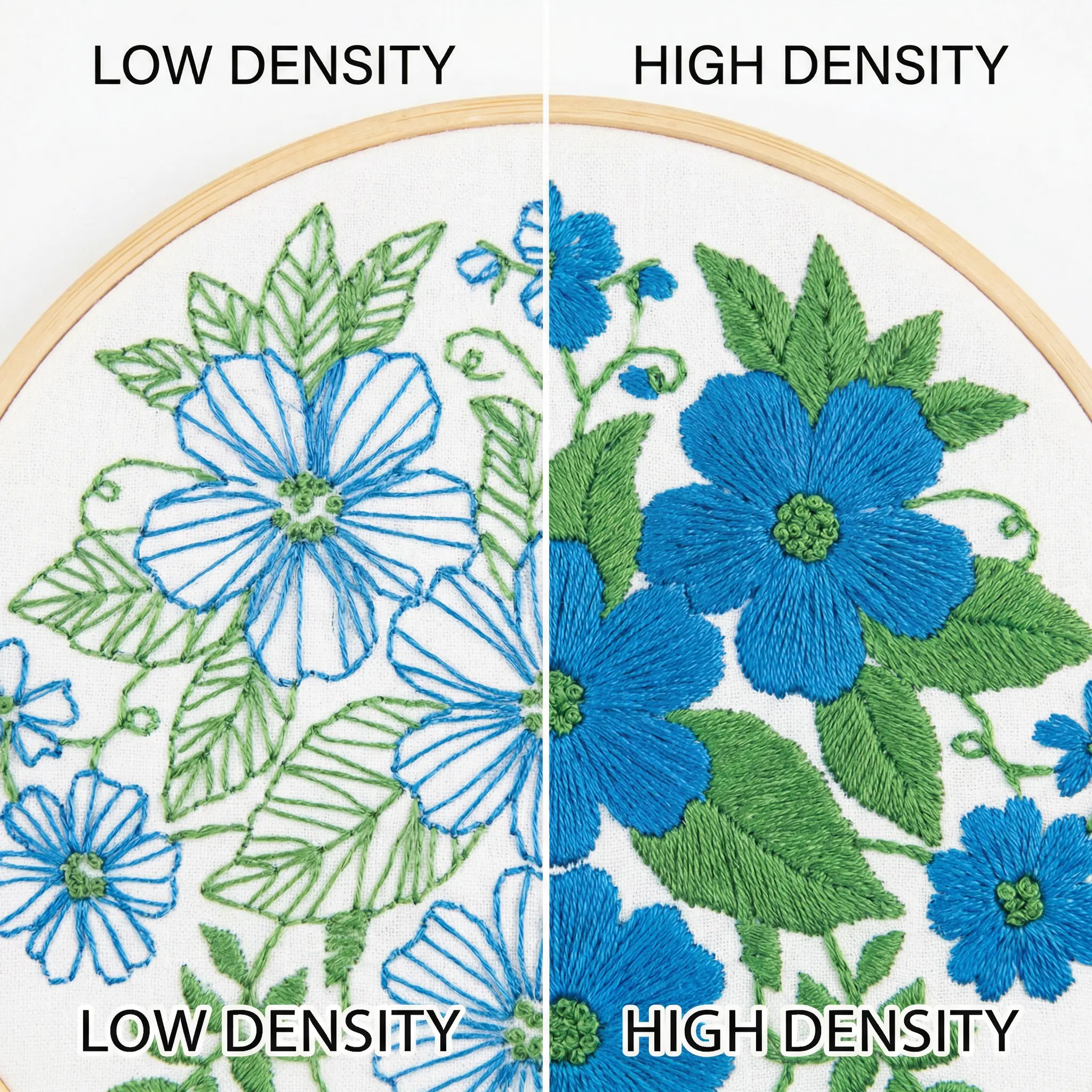
Key spec: Stitch density (typically 4-6 stitches/mm for quality work).
Watch out for: Fuzzy edges. If the design outline isn't crisp, the digitizer cut corners to save thread.
2. 3D Puff Embroidery
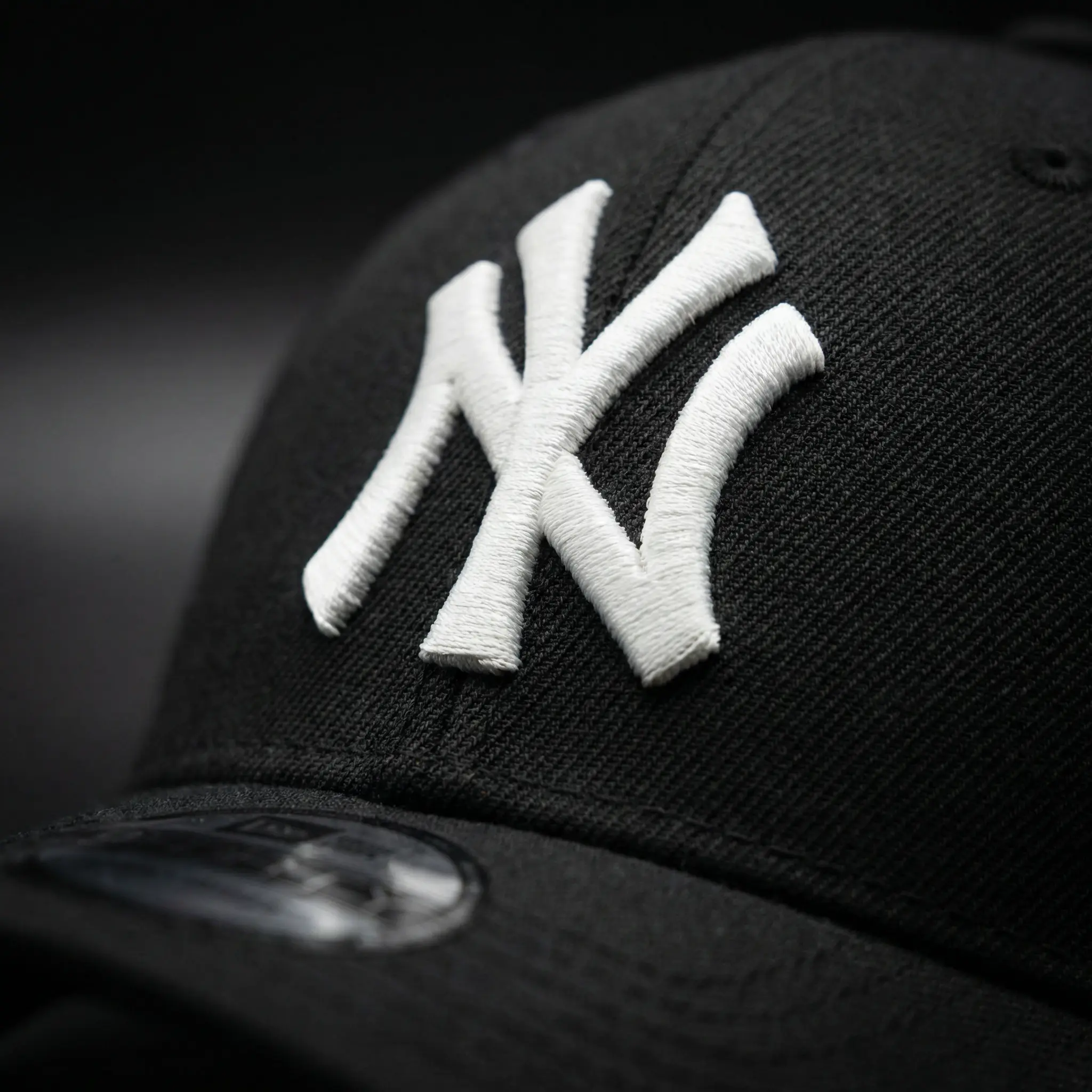
A layer of foam is placed under the stitches to create raised lettering or logos. Common on streetwear caps and hoodies.
Best for: Bold, chunky designs (3+ mm stroke width).
Key spec: Foam thickness (usually 2-3mm).
Watch out for: "Smiling" (foam peeking through). This happens when stitch density is too low. A quality 3D puff requires 30-40% more thread than flat embroidery.
3. Borer/Eyelet Embroidery (Schiffli)
Used primarily for lace and decorative cutwork. Instead of embroidering on finished garments, this process works on fabric rolls. Specialized knives (borers) create holes while the thread simultaneously locks the edges.
Best for: Bridal wear, lingerie, high-end lace applications.
Key spec: Borer size and thread thickness must match the fabric weight.
Watch out for: Frayed edges around holes. This indicates the borer was dull or the thread tension was wrong.
How to Judge Embroidery Quality Before Ordering
Here are three tests we use in our QC process:
1. The Stretch Test
Pull the fabric gently around the embroidered area. Quality stitching should:
• Not pucker or distort the base fabric
• Hold its shape without thread loosening
• Show no underlayer fabric through the stitches
If you see gaps or the fabric color showing through, the digitizer reduced stitch density to save cost.
2. The Flip Test
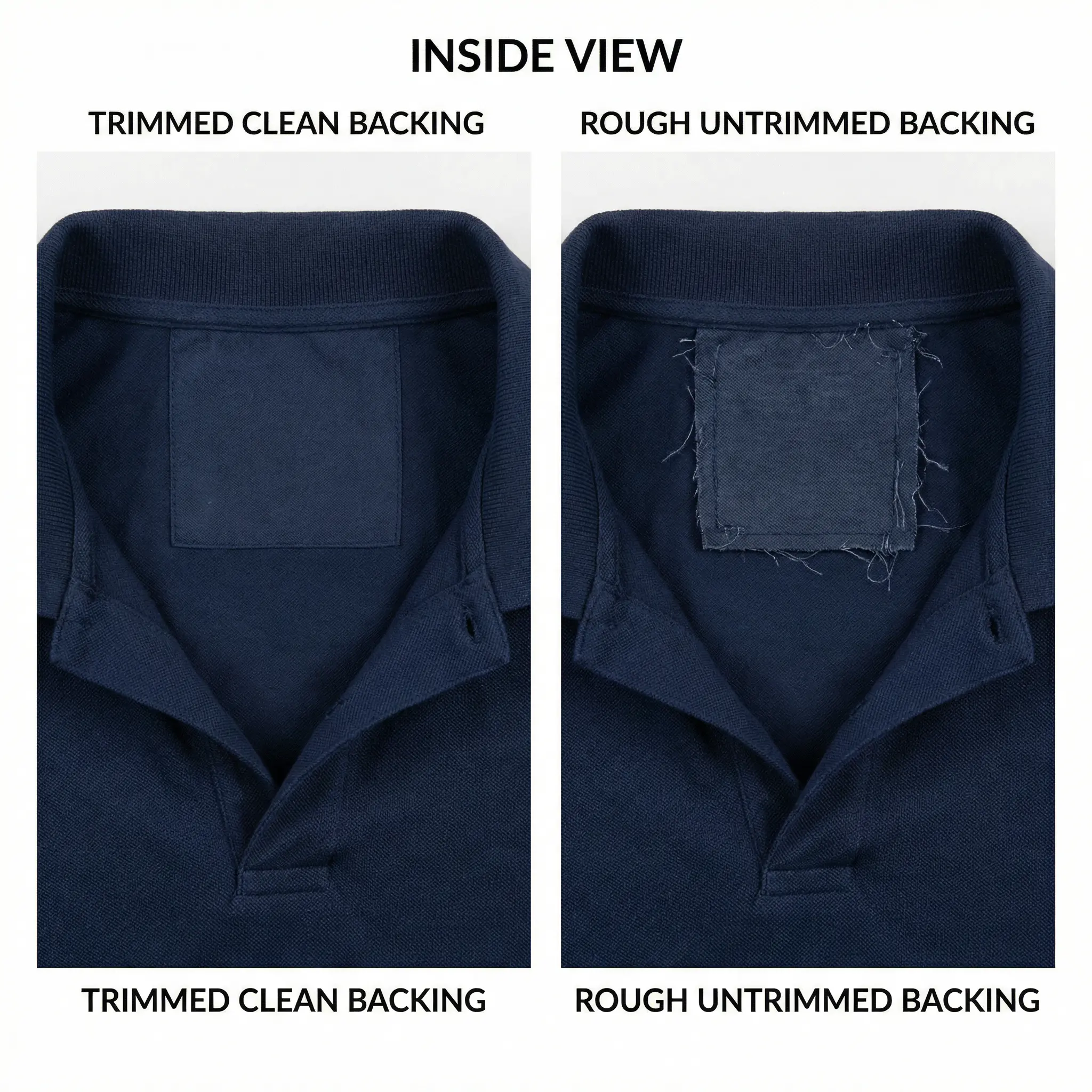
Turn the garment inside out. Look at the backing (stabilizer):
• Good: Clean, trimmed close to the design, soft to touch.
• Poor: Rough square of material left uncut. This scratches the skin and signals rushed work.
3. The Edge Test
Run your finger along the design's outline:
• Sharp, defined edges = proper stitch density and tension.
• Fuzzy or uneven edges = machine ran too fast, or needles were dull.
Cost Breakdown (Typical B2B Pricing)
Embroidery costs vary based on stitch count, not design size. A 2-inch simple logo might cost less than a 1-inch intricate pattern.
Ballpark pricing (per piece, 1000+ units):
• Simple text/logo (< 5,000 stitches): $0.80 - $1.50
• Medium complexity (5,000-10,000 stitches): $1.50 - $3.00
• Complex/3D puff (> 10,000 stitches): $3.00 - $6.00+
Additional costs:
• Digitizing fee (one-time): $30-$150 per design
• Color changes: $0.20-$0.50 per change
• Rush fee: +30-50% for < 15 days
When to Choose Embroidery Over Printing
Choose embroidery if:
• Your design has < 8 colors (each color change adds time/cost)
• You need durability (workwear, uniforms)
• The fabric is thick or textured (fleece, canvas, terry cloth)
• You want a premium feel (high-end retail)
Choose printing if:
• You have photo-realistic designs or gradients
• Your budget is tight (< $2 per piece decoration cost)
• You need very fast turnaround (< 7 days)
• The fabric is too delicate for needle penetration (silk, sheer fabrics)
Choosing the Right Base Fabric for Embroidery
The success of embroidery depends heavily on your base fabric. Not all textiles hold stitches equally well.
Best fabrics for embroidery:
• Cotton twill (polo shirts, caps): Stable weave, accepts high stitch density
• Fleece/Polar fleece (hoodies, blankets): Thick enough to hide backing, soft hand feel
• Canvas (tote bags, workwear): Durable, handles heavy thread work
• Mesh embroidery fabric (decorative overlays, evening wear): Purpose-built for intricate patterns
Problematic fabrics:
• Jersey/knits: Stretches during stitching, causing puckering
• Sheer fabrics: Too delicate for needle penetration
• Very rough textures: Uneven surface prevents clean stitching
At Fominte, we specialize in embroidery-ready fabrics for B2B buyers. Our mesh embroidery lace, crochet lace, and jacquard fabrics are pre-stabilized for your production needs. If you're sourcing fabric specifically for embroidered products, starting with the right base material saves time and reduces defects.
Browse our embroidery fabric wholesale collection at: https://www.fominte.com/collections/embroidery-fabric
Common Mistakes When Ordering Embroidery
1. Approving samples based on photos. Embroidery looks very different in person. Always request a physical swatch.
2. Not testing wash durability. Some factories use cheaper thread that fades or frays after 3-5 washes. Ask for a laundered sample.
3. Ignoring backing material. If your product is worn against skin (like the inside collar of a polo), specify soft backing or ask for it to be removed entirely.
4. Assuming all machines are equal. Multi-head industrial machines can produce 600-1000 stitches per minute. Single-head machines run at 400-600. This affects lead time and cost.
Final Thought
Embroidery isn't magical. It's math. The digitizer converts your artwork into coordinates, and the machine follows those instructions. If the file is poorly made, even the best equipment can't fix it.
When evaluating suppliers, ask to see their digitizing process. If they can't explain how they handle underlay stitches or pull compensation, that's a red flag.
Looking for embroidery-ready fabrics?
Fominte specializes in wholesale embroidery fabrics for fashion brands and garment manufacturers. Our mesh embroidery lace, crochet fabrics, and custom embroidered textiles are designed to handle industrial production standards.
View our full range at: embroidery-fabric
Contact us: info@fominte.com for bulk pricing and samples.