.png?w=970&h=250)
Hello, it's Stephen.
A production manager in Dubai once told me, "Stephen, satin is a nightmare for my team. The puckering, the slippage... it's killing our efficiency."
I listened, and then I told him something that changed his perspective: "The problem isn't your team; it's your satin."
For too long, we in the garment industry have treated satin's "difficulty" as a sewing skill problem. It's not. It's a fabric quality and sourcing problem. Today, I want to show you how sourcing the right satin from the start can save you time, money, and a lot of headaches in mass production.
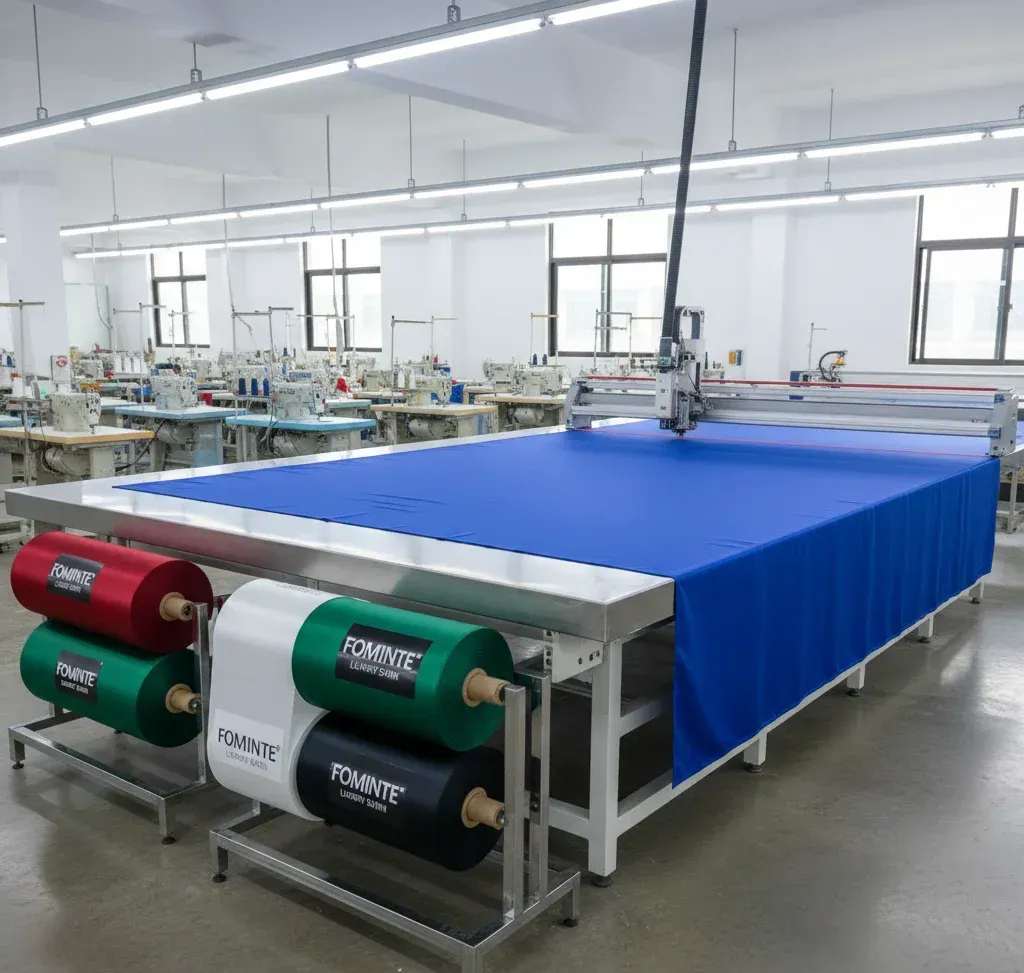
The True Cost of a "Difficult" Satin
When a garment fails quality control because of a puckered seam, the cost is much more than just one piece of fabric. For wholesale buyers and production managers, the numbers add up quickly.
-
Cost of Defects: Every meter of satin that ends up in a rejected garment is a direct loss. A 5% defect rate on a 10,000-meter order is 500 meters of wasted material and labor.
-
Production Slowdowns: Your team is skilled, but even the best operators have to slow down to fight with a difficult fabric. They stop to adjust tension, re-thread needles, and fix mistakes. This lost time is lost money.
-
Inconsistent Quality: Have you ever noticed that one roll of satin sews perfectly, but the next one from the same supplier is a disaster? This inconsistency makes it impossible to standardize your production process, leading to unpredictable results and costs.
Why Your Satin is Slipping & Puckering - A Deeper Look
So why does this happen? We often just say satin is "slippery," but the technical reason goes much deeper. It comes down to the quality of the weave and the finish.
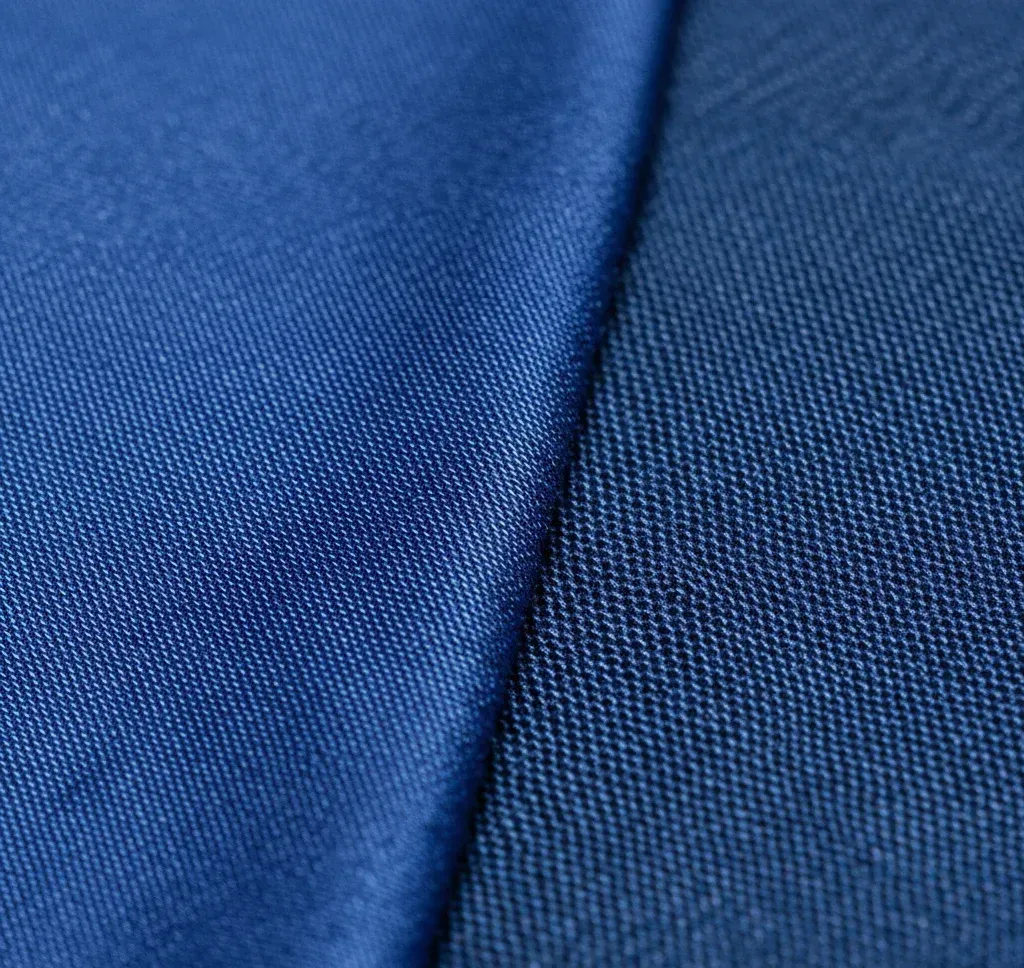
Low-quality satin often has a lower thread count and a very loose weave. The finishing agents used are cheap and don't properly bind the fibers. This creates an unstable surface.
Analogy from Stephen: Think of it like this. A cheap, loose-weave satin is like a road full of potholes. Your machine's needle (the car) is going to bounce, snag, and struggle. A high-density Fominte satin is like a perfectly smooth highway. The needle glides through it effortlessly.
Factory-Floor Solutions for High-Quality Satin Production
Even with the best fabric, good technique is important. But the goal is to make the process easy and repeatable for your entire team. Here are a few professional tips for your factory floor.
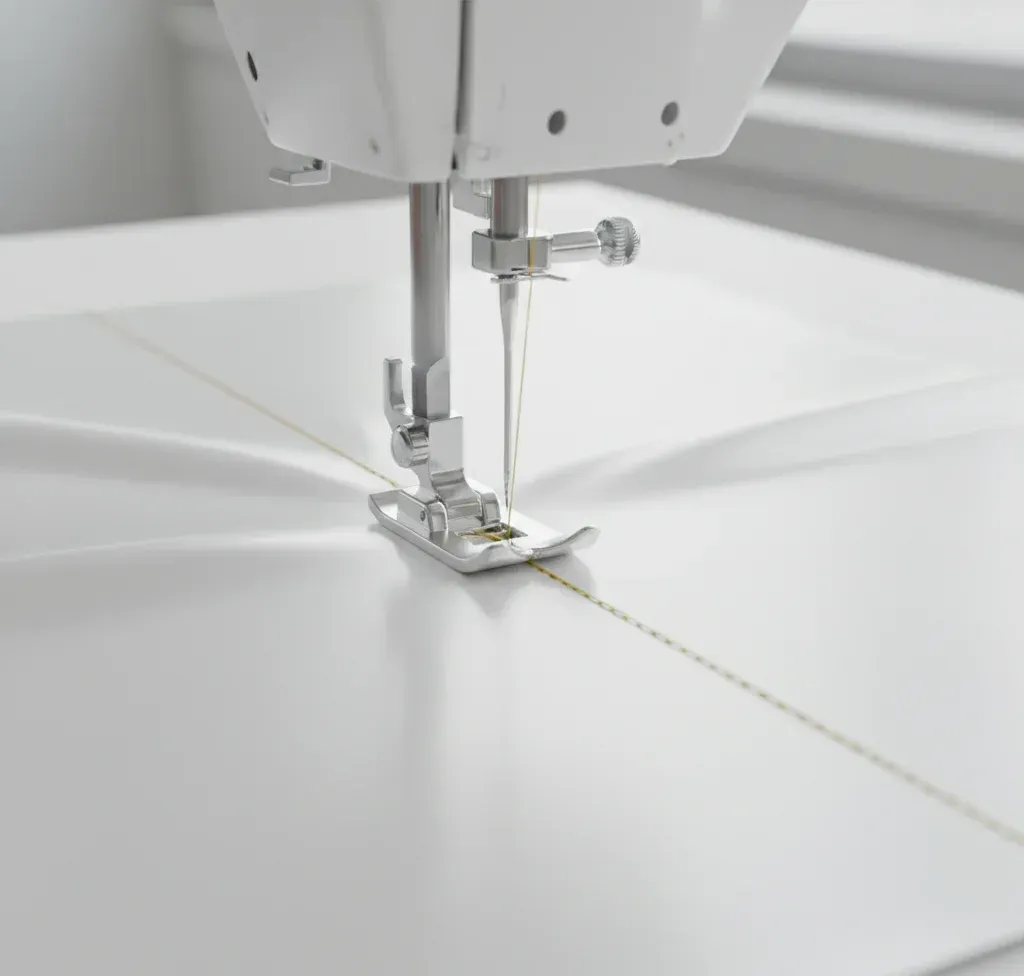
A Pro-Tip from Stephen: Needles & Thread are Your Foundation. Don't just use a "new" needle; use the right needle. For most woven satins, an industrial Microtex (or "Sharp") needle in size 65/9 or 70/10 is best. It has a very fine, sharp point that pierces the fabric cleanly without snagging the delicate fibers. Pair this with a high-quality, fine-gauge polyester thread that is strong and has minimal stretch.
-
Machine Settings: Reduce the presser foot pressure slightly to avoid marking the fabric. For many satins, a slightly shorter stitch length (around 2.0 mm) can help prevent puckering.
-
Use the Right Tools: A straight-stitch needle plate on your industrial machines will give the fabric more support around the needle, preventing it from being "pushed down" into the machine, which is a major cause of puckering.
The Ultimate Solution: Sourcing "Production-Ready" Satin
Here is the simple secret: you can solve 90% of your satin production problems before the fabric ever reaches your cutting table. The key is to source what I call "Production-Ready" satin.
This isn't just a marketing term. It means the fabric has been engineered from the very beginning for stability and efficiency.
At Fominte, our satins are considered "Production-Ready" because of three key factors:
-
High-Density Weaves: We use more threads per inch, creating that smooth, stable "highway" for your needles. This drastically reduces natural slippage and puckering.
-
Premium Finishing: Our finishing process binds the fibers together, giving the fabric body and preventing fraying without making it stiff.
-
Roll-to-Roll Consistency: Our quality control ensures that the first meter and the last meter of your order have the exact same color, finish, and handling characteristics.
When you source fabric like this, you are not just buying material. You are buying predictability. You are buying fewer defects, faster production speeds, and a healthier bottom line.
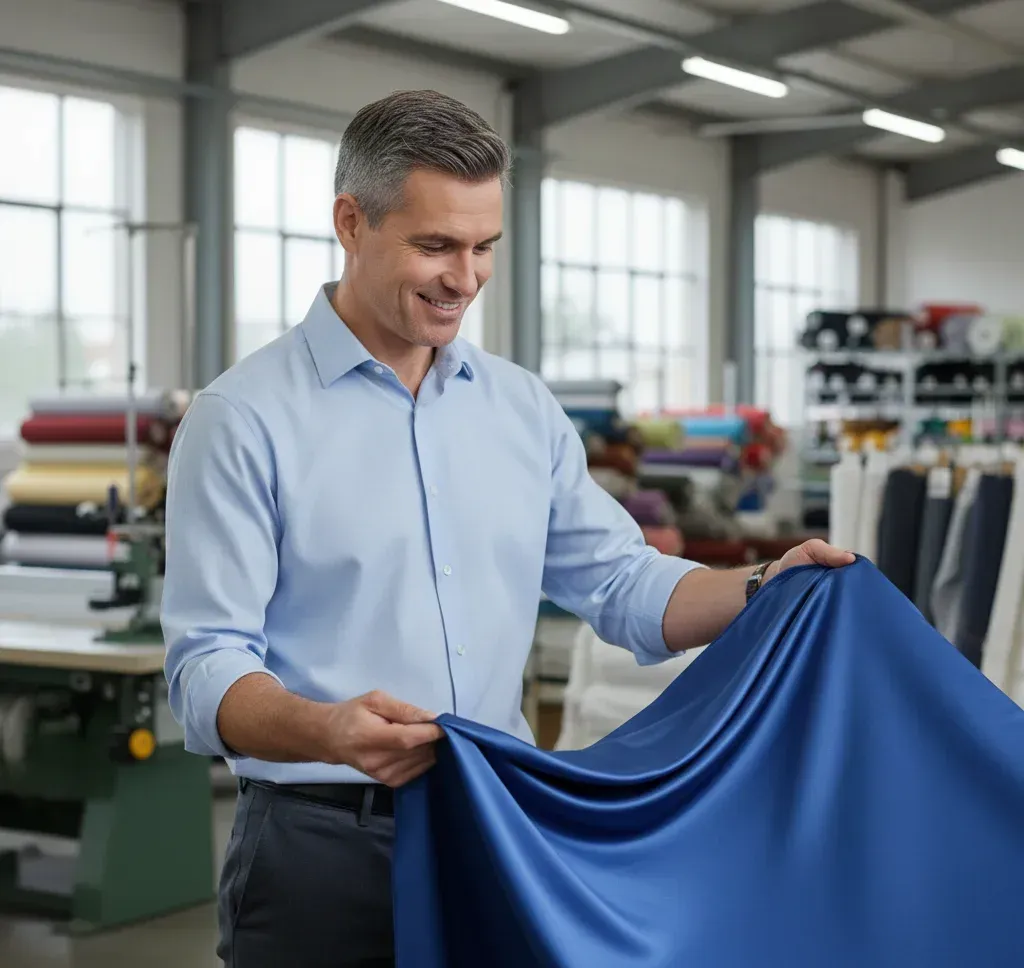
Don't let difficult fabric slow down your business and frustrate your team. The problem is not your sewers; it's the raw material. Let's make something beautiful and profitable, together.
Schedule a Consultation with a Fabric Expert
